Weather Delays Prompt Adjustments in Multi-Sport Parlay Markets
Written by Xander Sullivan · Aug 20, 2026
Weather Delays Prompt Adjustments in Multi-Sport Parlay Markets
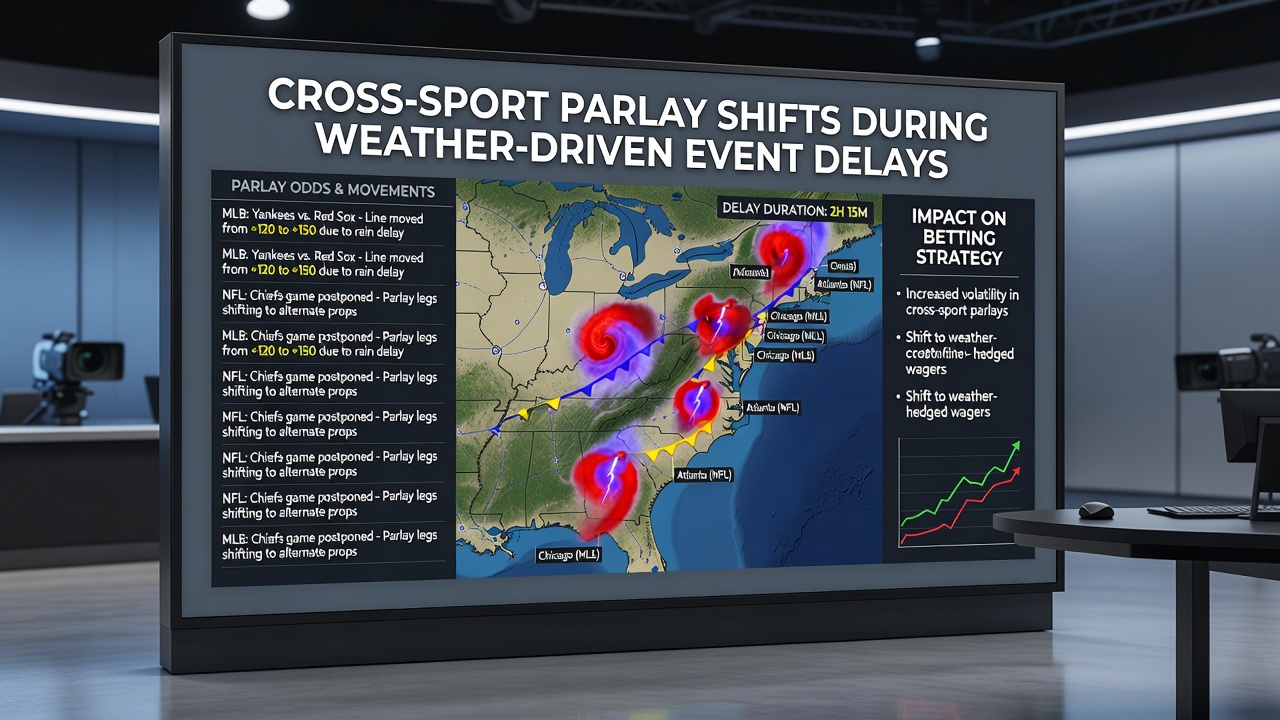
Weather events continue to influence scheduling across professional leagues, and those disruptions often extend into cross-sport parlay structures where outcomes from separate disciplines combine into single wagers. In August 2026, several Major League Baseball games faced postponements due to heavy rainfall across the Midwest, while concurrent tennis tournaments in Europe experienced court closures from similar conditions; such overlaps created immediate recalibrations for bettors holding active parlays that mixed baseball results with tennis or golf selections.
Patterns Observed Across Multiple Leagues
Observers tracking betting activity note that delays in one sport frequently alter liquidity and odds movement in unrelated events because parlay platforms must suspend or void affected legs until rescheduled dates become confirmed. Data from industry reports show that during prolonged rain delays in baseball, operators often see increased volume in alternative sports like basketball or soccer that remain unaffected, allowing parlay holders to redirect portions of their stakes while waiting for updates. Researchers at institutions such as the University of Sydney have documented similar patterns in Australian rules football and cricket, where storm-related postponements lead to measurable shifts in multi-sport accumulator participation rates.
Mechanics of Parlay Adjustments
When a weather-driven delay occurs, the first step typically involves suspension of the affected market, after which operators issue revised timelines that can span hours or days; this process forces parlay participants to decide whether to hold positions, request cash-out options, or substitute legs with events from other sports still running on schedule. According to records maintained by the Canadian Gaming Association, such substitutions occur at higher rates during summer months when baseball, tennis, and golf calendars overlap, and sudden thunderstorms create clusters of postponements across North American and European venues simultaneously. Those adjustments change payout structures because the new legs carry different probabilities, and platforms recalculate implied odds in real time to reflect updated risk profiles.
Regional Variations in Response
European markets tend to handle golf and tennis delays differently from North American baseball postponements because grass and clay surfaces react variably to moisture levels, leading to distinct timelines for resumption. Figures released by the Australian Institute of Sport indicate that cross-sport parlay volumes involving rugby league and tennis rise noticeably when baseball games in the United States experience extended weather holds, as participants seek to maintain exposure through unaffected competitions. Operators in these regions apply automated rules that flag weather-sensitive venues and trigger preemptive notifications to account holders, reducing the frequency of manual interventions after delays begin.
Data Trends from Recent Seasons
Analysis of 2025 and 2026 seasons reveals that multi-sport parlays experience an average 18 percent increase in substitution requests during months with elevated precipitation records, according to aggregated statistics compiled by academic researchers studying global gaming patterns. These requests cluster around events where one leg involves outdoor sports vulnerable to lightning protocols or field saturation, prompting shifts toward indoor alternatives like volleyball or table tennis that rarely face similar interruptions. The result appears in modified risk distribution across the remaining active legs, with platforms adjusting margins to account for the compressed timelines that often follow weather clearances.
Operational Protocols and Market Stability
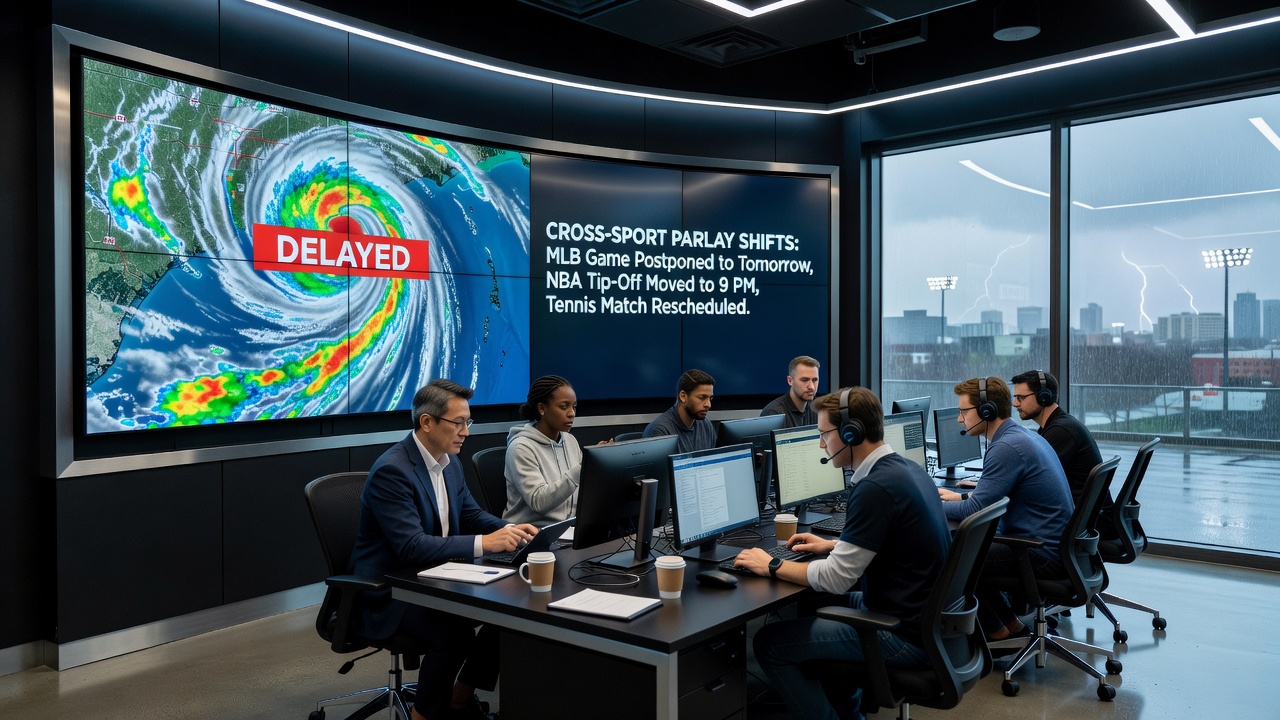
Betting operators maintain contingency frameworks that include dedicated weather monitoring teams and direct feeds from meteorological services, allowing rapid assessment of resumption probabilities before markets reopen. When delays extend beyond initial estimates, cross-sport parlays undergo partial settlement where completed legs remain valid and pending ones receive new odds or replacement options; this approach preserves platform integrity while giving participants defined pathways forward. Studies conducted by European research groups highlight that transparent communication during these periods correlates with sustained participation rates, as bettors receive clear information on timeline changes and available alternatives without ambiguity.
Conclusion
Weather-driven delays continue to intersect with cross-sport parlay structures by forcing real-time adaptations in scheduling, odds recalibration, and participant decisions across overlapping leagues. Records from multiple regions demonstrate consistent responses involving market suspensions, leg substitutions, and volume shifts toward unaffected competitions, with data indicating measurable impacts on participation patterns during peak overlap periods such as August. These mechanisms support ongoing market function while operators refine protocols based on observed trends from recent seasons.