UK High Street Betting Outlets Record Sharp Decline After Recent Tax Adjustments
Written by Leon Schmid · Aug 17, 2026

UK High Street Betting Outlets Record Sharp Decline After Recent Tax Adjustments
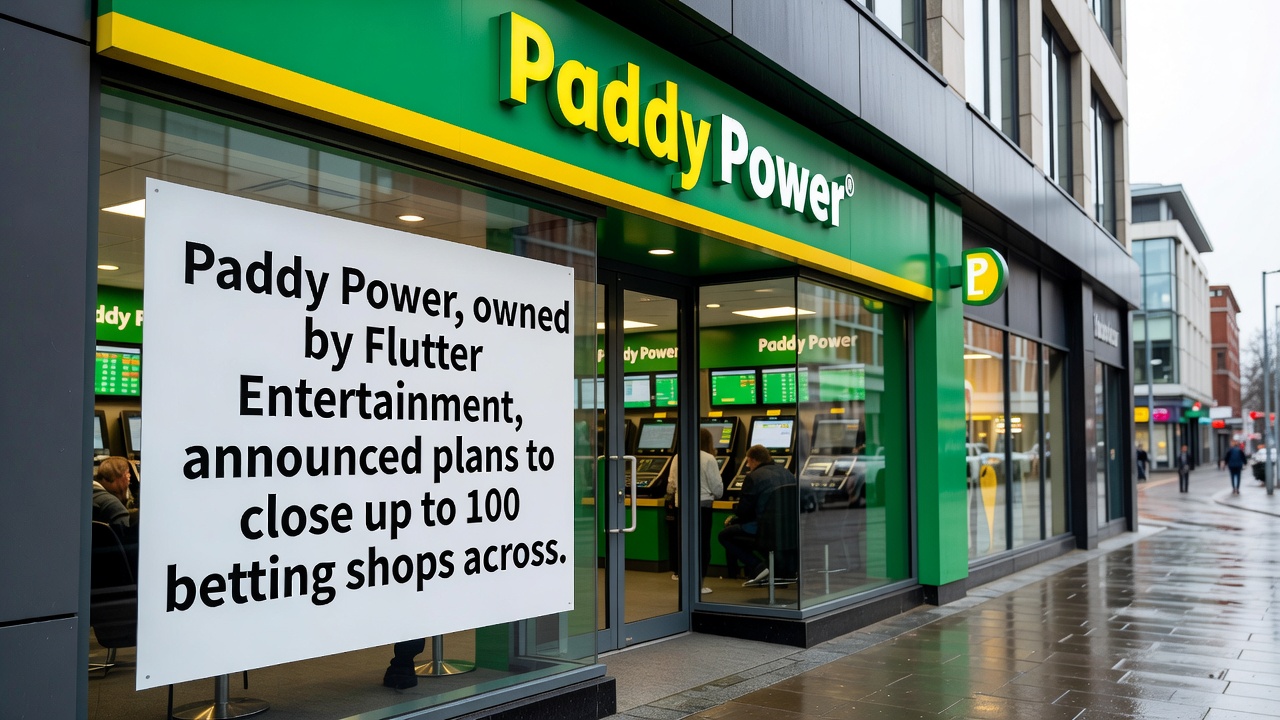
The Betting and Gaming Council has released figures showing more than 540 high-street betting shops closed across the UK since the previous Budget, with around 4,500 jobs disappearing in the same period, and these numbers reflect pressures from higher taxes plus rising operational costs that affect combined retail and online betting businesses.
Breakdown of Recent Shop Closures
Data from the industry body indicates the losses occurred in the months following the Budget announcement, when tax rates on integrated operations increased and pushed many operators to reassess their physical locations; observers note that smaller and medium-sized outlets faced the hardest decisions because fixed costs such as rent and staffing rose faster than revenue in many areas. And while some larger chains absorbed parts of the impact through efficiency measures, the overall pattern shows a steady contraction in the number of accessible high-street sites where customers could place bets in person.
Those who've examined the statistics point out that each closure typically removes several full-time and part-time positions, which explains the 4,500 job figure, and the council's report links these outcomes directly to the combined effects of tax changes and broader cost inflation affecting energy, supplies, and wages. But here's the thing: the closures did not happen in isolation, since many sites already operated on narrow margins before the latest round of increases took effect.
Longer-Term Pattern Since 2019
Figures reveal an even wider picture when the recent losses are placed alongside earlier reductions, because around 3,000 shops and 15,000 jobs have disappeared since 2019 as the sector adjusted to successive regulatory and tax shifts, and this extended timeline shows that the latest Budget-related cuts represent an acceleration of an existing trend rather than an entirely new development. Researchers who track employment in the betting industry have documented how operators gradually consolidated their retail footprints, moving resources toward online platforms that carry lower property overheads while still meeting customer demand through digital channels.
People in affected communities often notice the visible changes first, with boarded-up premises appearing on high streets that once hosted multiple betting locations, and the council's data places the cumulative impact in context by comparing pre-2019 numbers to the current total, which demonstrates a sustained contraction across the decade. Yet the report also records that the remaining shops continue to generate economic activity through direct employment, supplier contracts, and local spending, even as their numbers shrink.
Industry Response and Forward Projections
The Betting and Gaming Council warned that additional tax increases would likely trigger further closures and job reductions while also limiting future investment and sponsorship commitments from betting firms, and the organisation highlighted the sector's existing contributions to the wider economy through tax payments, employment, and support for sports and racing industries. According to the report titled MORE THAN 540 BETTING SHOPS CLOSE AND 4,500 JOBS LOST SINCE BUDGET TAX RAID, these contributions remain substantial even after the documented reductions, because surviving outlets and online operations together sustain thousands of roles and supply chain relationships across the country.
Experts have observed that any future rise in taxation could compound the existing pressures, potentially accelerating the shift away from physical retail and toward fully digital models, and the council's statement emphasises that operators already balance multiple cost drivers including regulatory compliance and market competition. So the projection of reduced sponsorship activity follows from tighter margins that leave less room for discretionary spending on partnerships with sports clubs and events.
Current Context in August 2026
As of August 2026 the pattern of shop closures continues to shape the retail landscape for betting services, with remaining outlets adapting their offerings to retain footfall while many former locations stand empty or convert to other uses, and local authorities in several regions have noted the resulting gaps in high-street activity. Data shows that the combined retail and online model remains central to many firms' strategies, even as physical sites decrease, because customers increasingly move between channels depending on convenience and preference.
Those who've studied the employment side of the industry point to the 4,500 recent losses as part of a wider adjustment that also affects training programmes and career pathways traditionally linked to betting shops, and the council's figures provide a clear snapshot of how tax and cost changes translate into staffing decisions at the operational level. But the report stops short of forecasting exact numbers for the coming year, instead underscoring the risk that further policy shifts could amplify the existing contraction.
Conclusion
The Betting and Gaming Council's statistics document a clear reduction in high-street betting shops and associated employment since the last Budget, set against a longer decline that began in 2019, and the organisation's warning about potential additional impacts rests on the same data showing how tax and cost pressures influence business decisions. Observers can track future developments through subsequent releases from the same source, which will indicate whether the current trajectory continues or stabilises as operators complete their adjustments.