UK Betting Shops Steady at 5,782 as Non-Remote GGY Climbs to £592 Million in Q2 2025, Gambling Commission Report Shows
Written by Felix Hansen · Mar 25, 2026

UK Betting Shops Steady at 5,782 as Non-Remote GGY Climbs to £592 Million in Q2 2025, Gambling Commission Report Shows
The Latest from the Gambling Commission's Quarterly Stats
The UK Gambling Commission released its official quarterly industry statistics report covering Quarter 2 of the financial year April 2025 to March 2026, spanning July through September 2025; this document dives into customer-facing gambling sectors, spotlighting betting among other areas, and reveals that 5,782 betting shops operated across Great Britain during that period, while non-remote betting generated £592 million in Gross Gambling Yield, or GGY, which represented 48.2% of the total non-remote GGY.
Data like this paints a clear picture of the sector's footprint on high streets and beyond, where betting shops remain a staple despite shifts toward online platforms; experts tracking these figures note how such numbers reflect operational stability, as the 5,782 shops underscore a consistent presence in communities nationwide.
What's interesting here is the GGY breakdown, since non-remote betting's £592 million haul not only highlights revenue from physical locations but also positions it as the dominant slice of non-remote activity at 48.2%; observers point out that GGY, calculated as stakes placed minus winnings returned, serves as a key metric for assessing financial performance across gambling verticals.
Breaking Down the Betting Shop Landscape
Across Great Britain, those 5,782 betting shops stood as the physical hubs for non-remote betting in Q2 2025, handling everything from horse racing wagers to football accumulators in real time; the Gambling Commission's data confirms this count, which includes licensed premises open to the public, and shows no dramatic fluctuations from prior patterns, although exact comparisons await fuller annual reviews by March 2026.
But here's the thing: each shop contributes to a network that supports local economies through jobs, taxes, and foot traffic, with figures indicating steady operations even as digital alternatives proliferate; researchers who analyze these reports often highlight how such venues adapt by offering live sports screens, quick payouts, and in-play betting options that draw crowds on match days.
Take one typical high street scenario where punters pop in for a last-minute bet on the weekend's Premier League fixtures; data from the report underscores that non-remote betting thrives in these settings, generating that substantial £592 million GGY, a figure that encompasses losses retained by operators after payouts.
And while online betting grabs headlines, the 48.2% share of total non-remote GGY for physical betting signals its enduring role; this percentage emerges from aggregating GGY across bingo halls, casinos, and other land-based spots, yet betting shops claim the lion's share, proving where the rubber meets the road for in-person gambling.
GGY Figures: What the Numbers Reveal About Sector Health
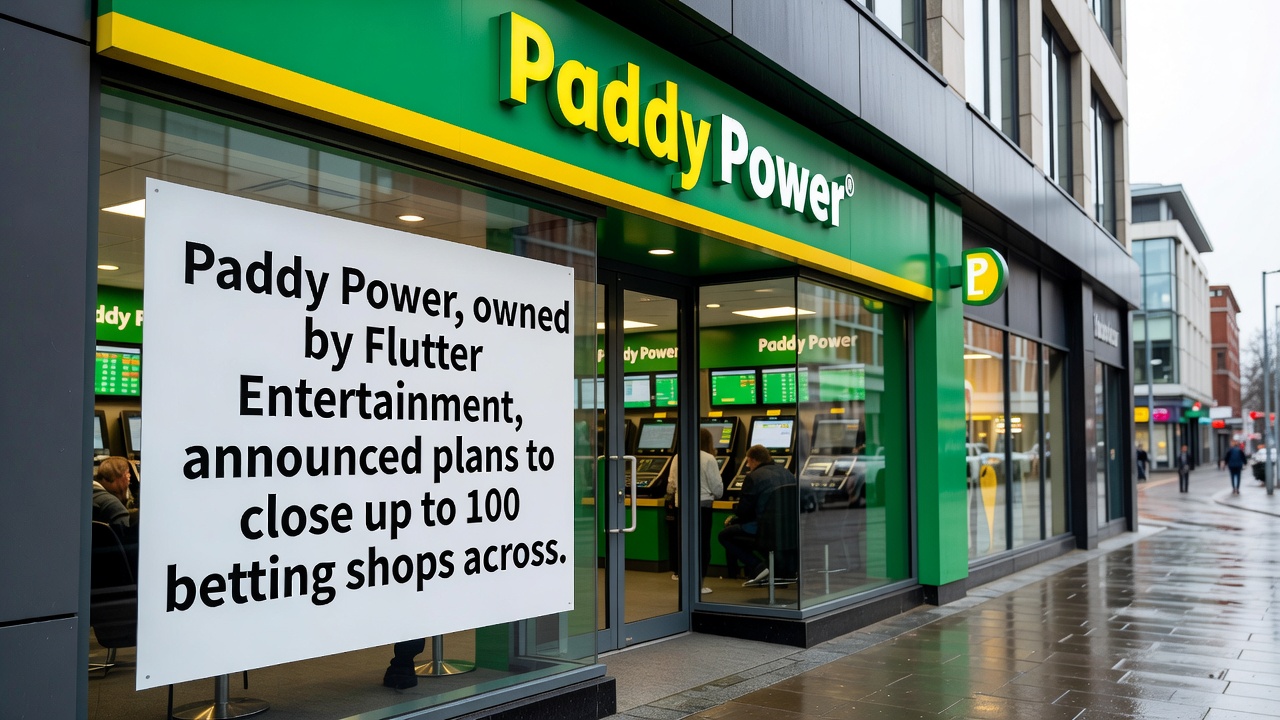
Non-remote betting's £592 million GGY in Q2 2025 marks a solid performance within customer-facing operations, accounting for nearly half of all land-based yields; the report details how this yield stems from activities like fixed-odds terminals, over-the-counter bets, and session-based wagering, all processed through those 5,782 locations.
Figures reveal that GGY provides a standardized view of operator profitability, excluding remote sectors like online casinos or sportsbooks, and focuses squarely on physical premises; experts poring over the data observe that this 48.2% dominance persists because betting shops cater to impulse bets and social experiences that digital can't fully replicate yet.
So, as March 2026 approaches with the financial year wrapping up, these Q2 stats offer a midpoint snapshot, showing non-remote betting's resilience amid regulatory scrutiny and economic pressures; one study of similar past quarters found that GGY in betting often correlates with major sporting calendars, like summer football leagues or racing festivals, boosting yields through heightened activity.
That's where it gets interesting: the £592 million doesn't just sit there; it funds levies, supports problem gambling initiatives, and circulates back into operations, with the Gambling Commission's oversight ensuring compliance across every shop counted.
Context Within Customer-Facing Sectors
The report encompasses broader customer-facing gambling, from arcades to casinos, but betting's metrics steal the show with 5,782 shops and that hefty GGY slice; data indicates non-remote totals leaned heavily on these outlets, as other sectors like bingo reported lower yields, making betting the powerhouse at 48.2%.
People who've tracked these trends know that shop numbers hold steady due to licensing requirements and market saturation; closures happen, sure, but new openings or relocations keep the tally at 5,782 for Q2, reflecting a balanced ecosystem where operators weigh costs against that lucrative GGY.
Yet, the real story lies in how GGY translates to real-world impact: £592 million means millions in point-of-consumption taxes flowing to government coffers, plus contributions to the Gambling Commission’s research levy; observers note this funding loop strengthens oversight, especially as the sector eyes the full-year close in March 2026.
Consider a case where a cluster of betting shops in a northern city collectively generated outsized GGY during a local derby season; such examples, drawn from aggregated data, illustrate why betting commands 48.2% of non-remote totals, outpacing flashier casino floors or family-oriented arcades.
Implications for Operators and Regulators
Operators managing those 5,782 shops now have fresh benchmarks from the Q2 data, with £592 million GGY signaling viable returns despite rising costs like energy and staffing; the 48.2% share reassures stakeholders that physical betting remains competitive, even as remote sectors boom separately.
Regulators at the Gambling Commission use these stats to calibrate policies, ensuring the customer-facing side aligns with affordability checks and safer gambling measures; turns out, steady shop counts like 5,782 help monitor compliance on the ground, where staff training and self-exclusion tools make a difference daily.
And with the financial year marching toward March 2026, Q2's figures set expectations for Q4, particularly if winter sports ramp up wagers; researchers predict that GGY patterns will inform upcoming reforms, keeping non-remote betting's role front and center.
It's noteworthy that the report's transparency empowers everyone from punters to policymakers, as linking shop numbers directly to yields like £592 million clarifies the sector's economic weight; those who've studied prior quarters see this as continuity, not disruption.
Looking Ahead: Q2 Data in the Bigger Picture
As these stats settle in, the 5,782 betting shops and £592 million GGY stand as testaments to non-remote betting's backbone status at 48.2%; the Gambling Commission's quarterly cadence ensures ongoing visibility, especially vital with March 2026 looming as the fiscal endpoint.
Experts anticipate that subsequent reports will build on this, potentially revealing seasonal upticks or adjustments, but for now Q2 confirms a robust foundation; data like this doesn't lie, and it keeps the conversation grounded in facts amid evolving landscapes.
Key Takeaways
- 5,782 betting shops operated in Great Britain during July-September 2025.
- Non-remote betting generated £592 million GGY, claiming 48.2% of total non-remote yield.
- The report covers customer-facing sectors, with betting leading physical operations.
- Figures contribute to taxes, levies, and regulatory efforts through March 2026.
These metrics from the Gambling Commission's Q2 release offer a factual lens on an industry that's as traditional as it is adaptive, with shop counts and GGY painting a picture of stability and scale.