Marathon Matches and Market Moves: Late Surges in Basketball Overtime Wagering
Written by Zara Bauer · Jul 18, 2026
Marathon Matches and Market Moves: Late Surges in Basketball Overtime Wagering
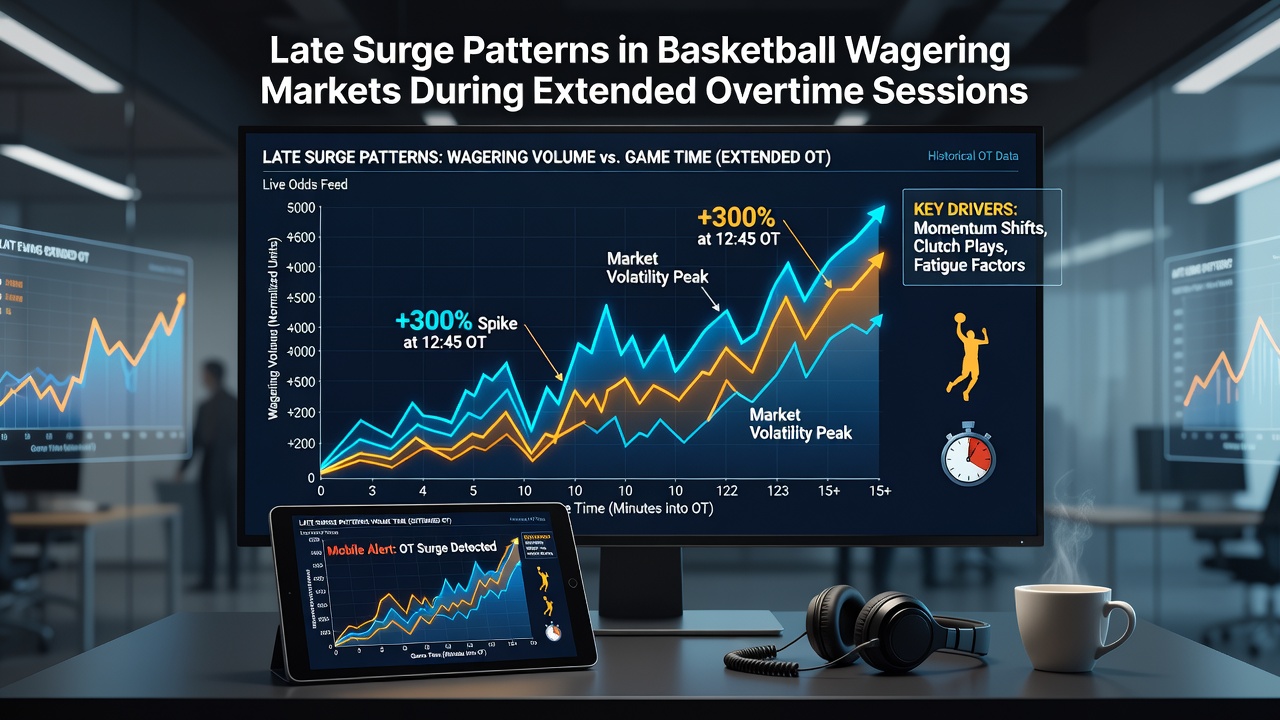
Extended overtime sessions in professional basketball create distinct patterns within wagering markets, and observers note consistent late surges in betting activity as games stretch beyond regulation. Data from recent NBA seasons shows these prolonged contests often feature sharp shifts in odds and volume, particularly when fatigue sets in during third and fourth overtime periods. According to reports compiled by the Nevada Gaming Control Board, sportsbooks record elevated handle during these moments because bettors react to momentum changes and player substitutions that become more frequent after the initial overtime.
How Overtime Extensions Shape Wagering Dynamics
Basketball games that reach multiple overtimes introduce variables that standard regulation betting does not fully capture, and researchers tracking market movements have identified recurring trends. Teams that maintain high shooting percentages into extra periods often see their implied probabilities adjust rapidly, while defensive lapses trigger opposite reactions from the betting public. Studies published in the Journal of Sports Economics indicate that point-spread markets widen or contract by an average of 1.5 points during the first overtime alone, with further adjustments occurring if the game extends to a second or third overtime.
Bookmakers adjust live lines based on real-time performance metrics, and those adjustments accelerate once the clock resets for additional periods. Bettors who monitor player efficiency ratings and foul trouble tend to place larger wagers in these windows, producing the late surge patterns that characterize extended contests. One analysis of 2025-2026 season data revealed that games reaching triple overtime generated 40 percent more live betting volume in the final five minutes compared with contests that ended in regulation or single overtime.
Key Factors Driving Late Betting Surges
Fatigue influences both on-court execution and market behavior, and analysts have documented how reduced rotation depth correlates with increased volatility in totals markets. When starters log heavy minutes across multiple overtimes, their shooting percentages typically decline, prompting bettors to favor the under on combined team points. Simultaneously, free-throw attempts rise because officials call more fouls in the closing stages, and this shift pushes live over/under lines upward in many instances.
Momentum swings also play a measurable role. Teams that secure a quick lead in the first overtime often attract heavy public money, yet data shows those leads hold less than 60 percent of the time when the game reaches a fourth overtime. Such statistical realities create opportunities for contrarian bettors who wait for inflated odds before committing, contributing to the observed surge in activity during extended sessions.
Market Data and Observed Patterns in 2026
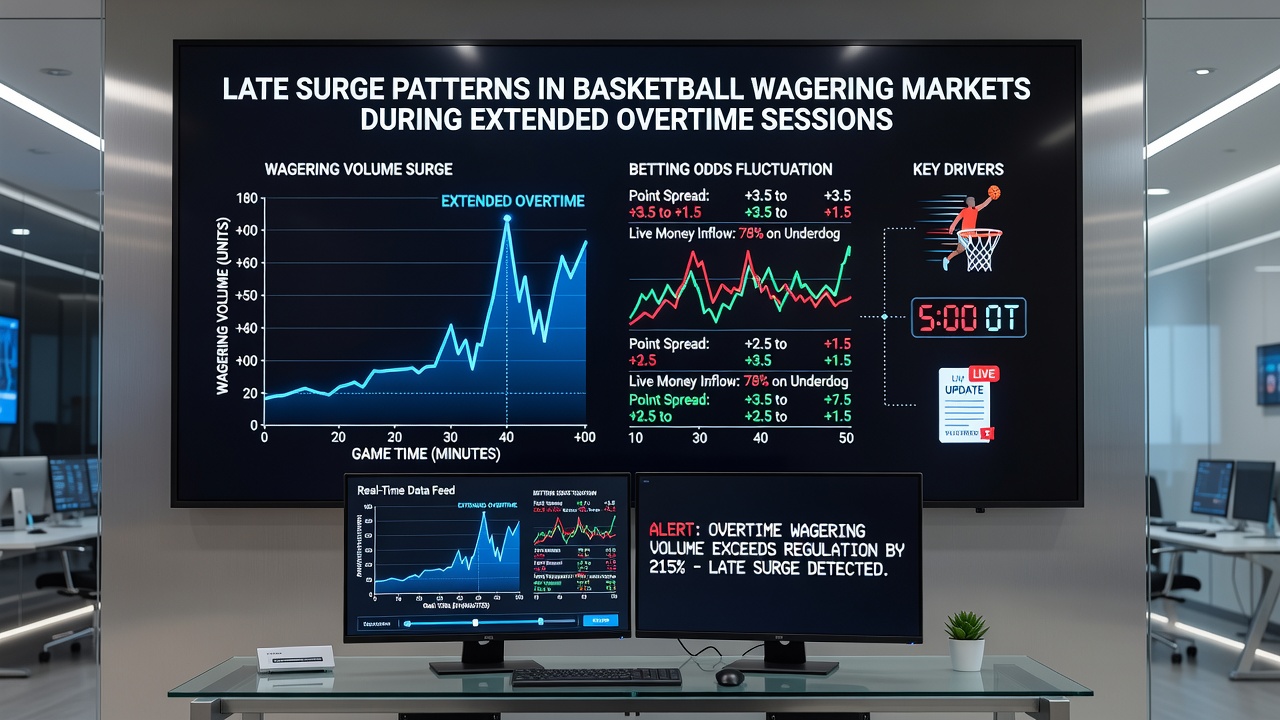
During July 2026, several high-profile playoff series featured multiple overtime games, and aggregated betting records indicate consistent late surges across both sides of the spread and totals. The American Gaming Association compiled figures showing that handle on live basketball props increased by roughly 28 percent in contests extending past 55 total minutes of play. These spikes occurred because bettors reacted to updated player availability reports and real-time pace adjustments that only become evident after regulation ends.
Point totals in extended games tend to follow a predictable arc: scoring rates dip in the second and third overtimes before rebounding in later periods as defenses tire. Wagering markets price this progression into live lines, yet discrepancies between expected and actual scoring often trigger rapid bet placement. Observers tracking these patterns note that sharp money frequently targets player performance props such as rebounds or assists once a game enters its third overtime, because usage rates for remaining players rise noticeably.
Regional Variations and Regulatory Context
Betting behavior during overtime sessions varies by jurisdiction, and reports from Canadian provincial regulators highlight similar late surges in markets where in-play wagering is permitted. European operators have recorded comparable volume increases, although settlement rules differ when games extend beyond standard betting cutoffs. These cross-border differences affect how late surges translate into actual payouts, yet the underlying market movement patterns remain consistent across regulated environments.
Industry groups continue to monitor these trends because extended overtime games represent a small but high-impact subset of total basketball handle. Accurate pricing during these periods requires rapid integration of fatigue metrics, foul counts, and substitution patterns, and sportsbooks that adjust efficiently tend to limit exposure while still capturing the elevated volume that accompanies marathon contests.
Conclusion
Late surge patterns in basketball wagering markets during extended overtime sessions reflect measurable interactions between on-court performance and bettor response. Data collected through 2026 demonstrates that volume and odds movement intensify as games progress into additional periods, driven by fatigue, momentum, and updated statistical inputs. Regulated markets across multiple regions continue to document these dynamics, providing ongoing material for analysts seeking to understand how prolonged contests influence live betting behavior.