Coastal Racetrack Wagering: How Weather Patterns Reshape Live Horse Racing Bets
Written by Xander Sullivan · Jul 13, 2026
Coastal Racetrack Wagering: How Weather Patterns Reshape Live Horse Racing Bets
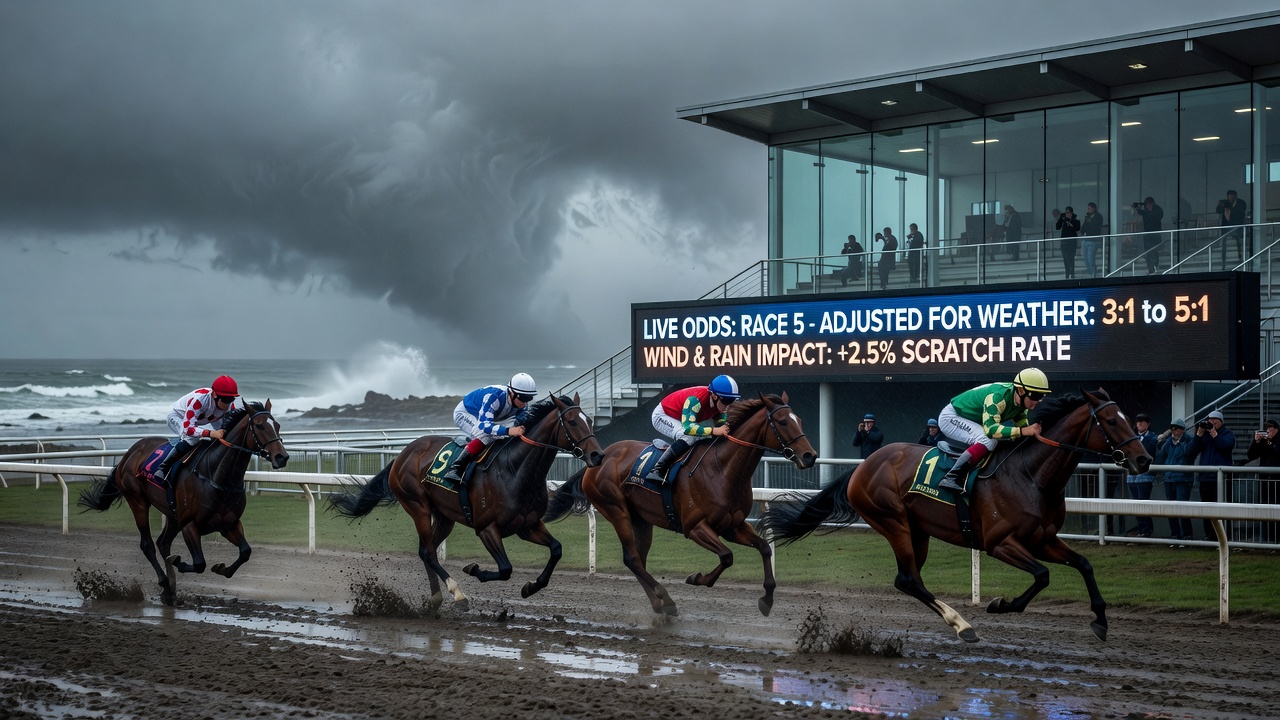
Coastal racetracks present unique challenges for live wagering because wind, precipitation, and tidal influences alter track surfaces in real time, prompting bettors to adjust stakes, selections, and odds expectations during races. Observers note that facilities situated near oceans or large bodies of water experience rapid changes in ground conditions compared with inland venues, and these shifts directly affect horse performance metrics such as stride length, traction, and finishing times. Data from multiple racing jurisdictions shows that live bettors respond by reallocating wagers toward horses with proven wet-track records or those positioned favorably for prevailing wind directions.
Track Surface Responses to Coastal Weather
Wind speeds above 25 kilometers per hour often compact sand-based surfaces at seaside tracks, reducing kickback while increasing the likelihood that front-runners maintain leads longer than usual. Heavy rainfall saturates turf layers quickly because drainage systems must contend with both precipitation and occasional salt spray, creating patchy going that favors horses with proven adaptability. Researchers at several international racing centers have documented that moisture retention on coastal courses can persist for several hours after showers end, extending the window during which in-play odds fluctuate more than at drier inland sites.
Tidal cycles introduce another variable at tracks built close to shorelines, where high tides sometimes elevate local humidity and alter air density near the ground. Although these effects remain subtle, they combine with wind to influence how jockeys position mounts during sprints and longer distances. Live wager adjustments therefore incorporate both meteorological forecasts and real-time track reports issued between races.
Live Betting Market Reactions
Bookmakers update odds continuously as weather data arrives from on-site sensors and official clerks, and bettors who monitor these feeds often shift stakes toward later runners when forecasts indicate increasing wind gusts. Studies conducted across Australian and North American coastal venues indicate that exotic wagers such as exactas and trifectas see the largest volume spikes during changeable conditions because payouts reflect revised probabilities more dramatically than fixed-odds win bets. Bettors frequently place smaller initial stakes that they scale up or hedge once the first few races reveal how the surface is truly playing.

During July 2026, several coastal meetings recorded sustained winds that prompted repeated odds revisions within individual races, particularly in sprint events where tailwinds boosted early fractions by measurable margins. Industry reports from Racing Victoria and Equibase confirm that handle on in-play markets rose noticeably on days when multiple weather variables interacted, underscoring the value placed on timely information by professional syndicates and recreational punters alike.
Data Patterns Across Seasons
Long-term records reveal that coastal tracks experience a higher frequency of going changes between morning and afternoon than inland circuits, leading to more frequent live adjustments. Analysts tracking thousands of races have found that horses with prior experience on similar surfaces tend to attract heavier support once conditions shift, while unproven runners see their odds lengthen rapidly. These patterns hold across both turf and synthetic surfaces, although synthetic tracks show less dramatic swings because they drain more efficiently during sudden downpours.
Trainers and jockeys supply additional context through post-race comments that bettors incorporate into subsequent wagers. When a rider reports that a headwind affected a particular section of the course, markets often reprice runners expected to race prominently in later events. This feedback loop operates continuously, creating a dynamic environment where information advantage translates directly into adjusted stake sizes.
Regional Examples and Reporting Sources
Facilities along the southeastern Australian coastline and several North American venues near the Atlantic and Pacific have supplied the majority of publicly available case studies on weather-driven wagering shifts. Reports compiled by Racing Australia highlight instances where sudden wind direction changes altered the preferred running style from front-running to stalking, prompting rapid market corrections. Comparable observations appear in data releases from U.S. racing authorities that track performance figures under varying wind and moisture conditions.
Live platforms integrate automated alerts from meteorological services, allowing bettors to receive updates seconds after wind gust thresholds are crossed. Those who combine these alerts with historical horse profiles achieve more consistent results when conditions evolve mid-meeting. The integration of such technology has become standard at major coastal fixtures because it reduces the information gap between professional operators and casual participants.
Conclusion
Weather-driven adjustments remain a central feature of live horse racing wagers at coastal tracks because multiple atmospheric and tidal factors converge to modify track surfaces within short timeframes. Statistical evidence from established racing bodies demonstrates that markets respond with measurable volume increases and odds volatility whenever precipitation or wind patterns deviate from forecasts. Bettors who incorporate real-time reports alongside historical performance data maintain an informational edge that directly shapes stake allocation throughout each meeting. As coastal venues continue to publish detailed environmental data, the precision of live wagering decisions is expected to improve further in coming seasons.